
Overview
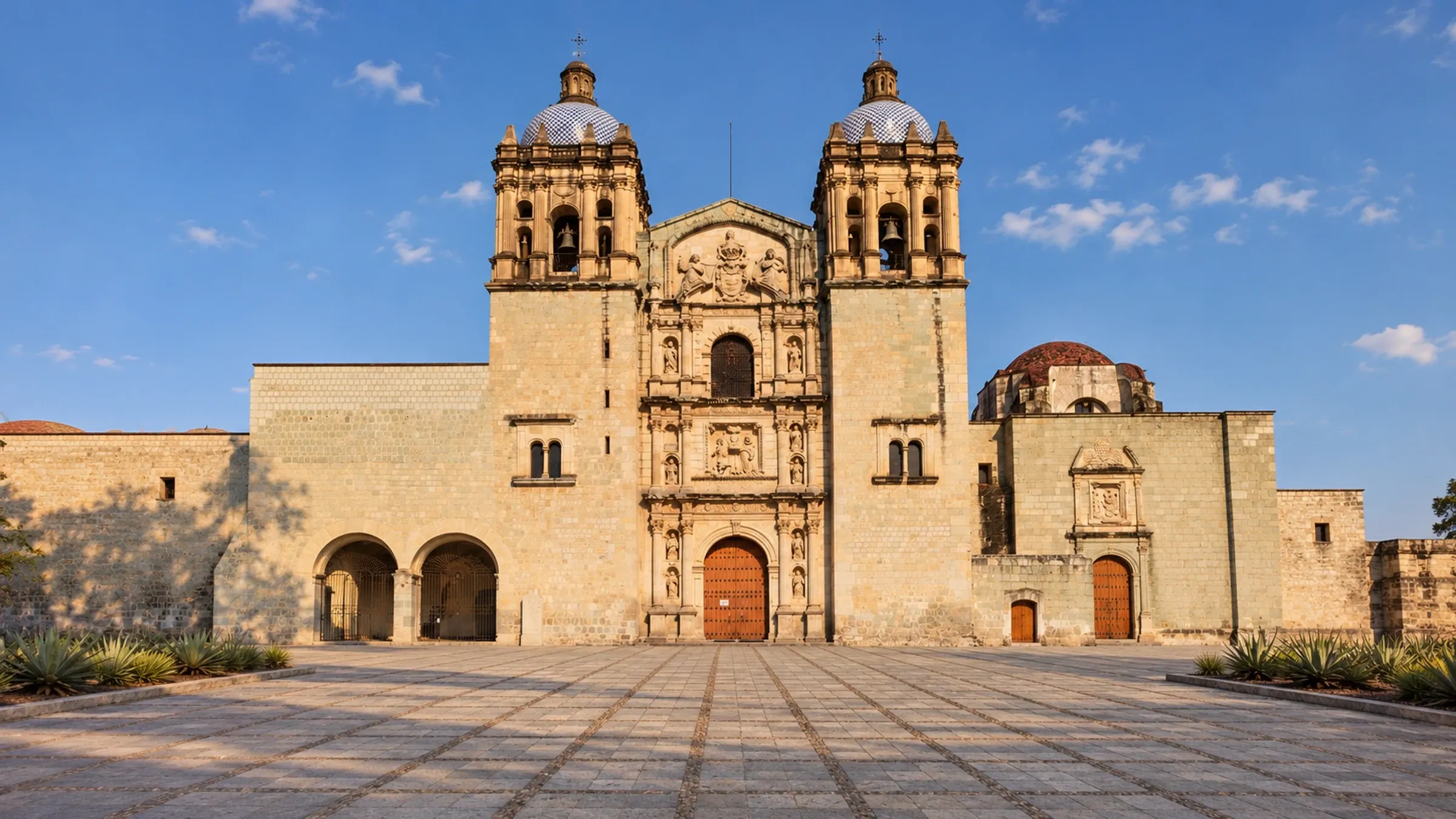
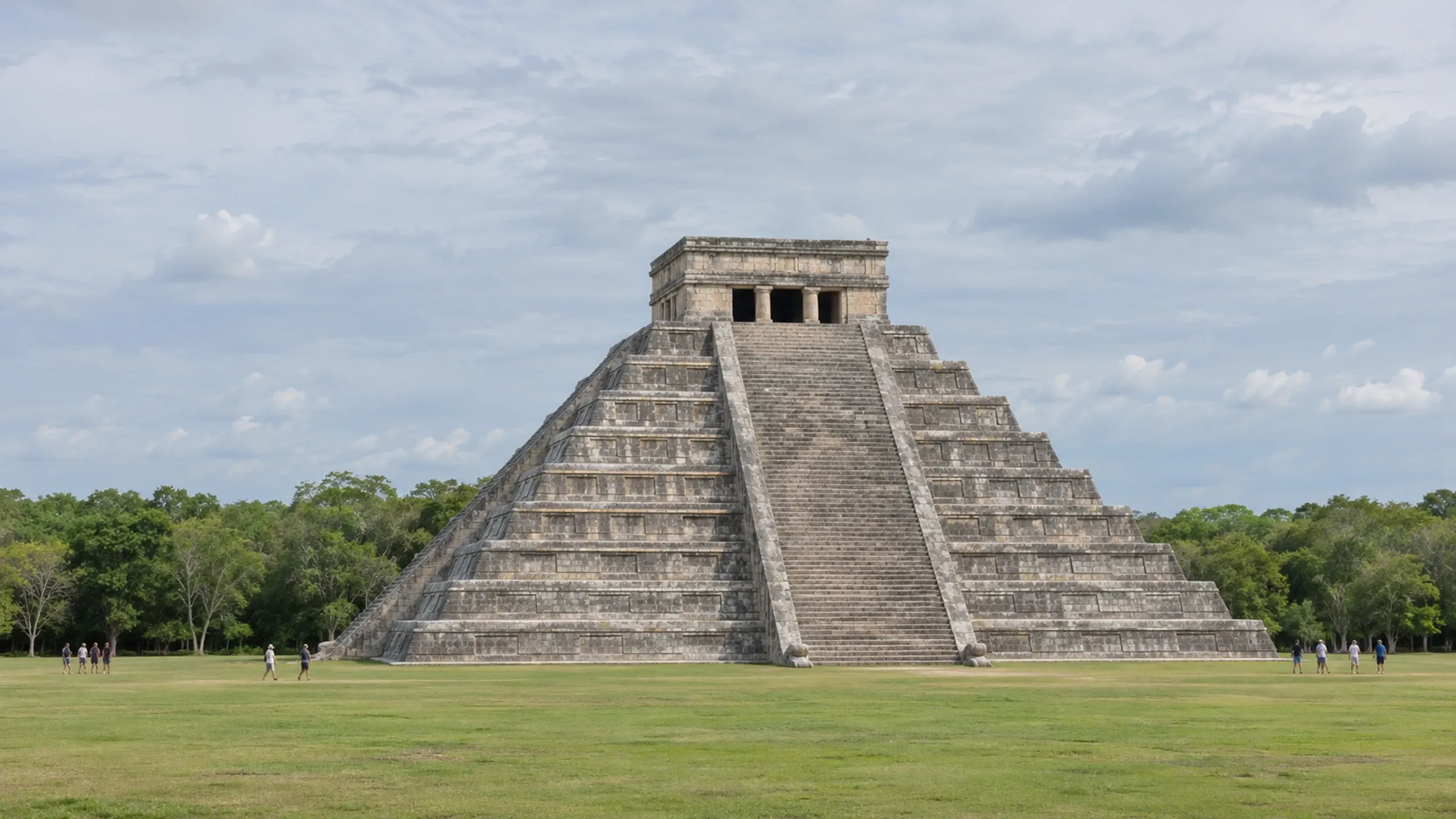
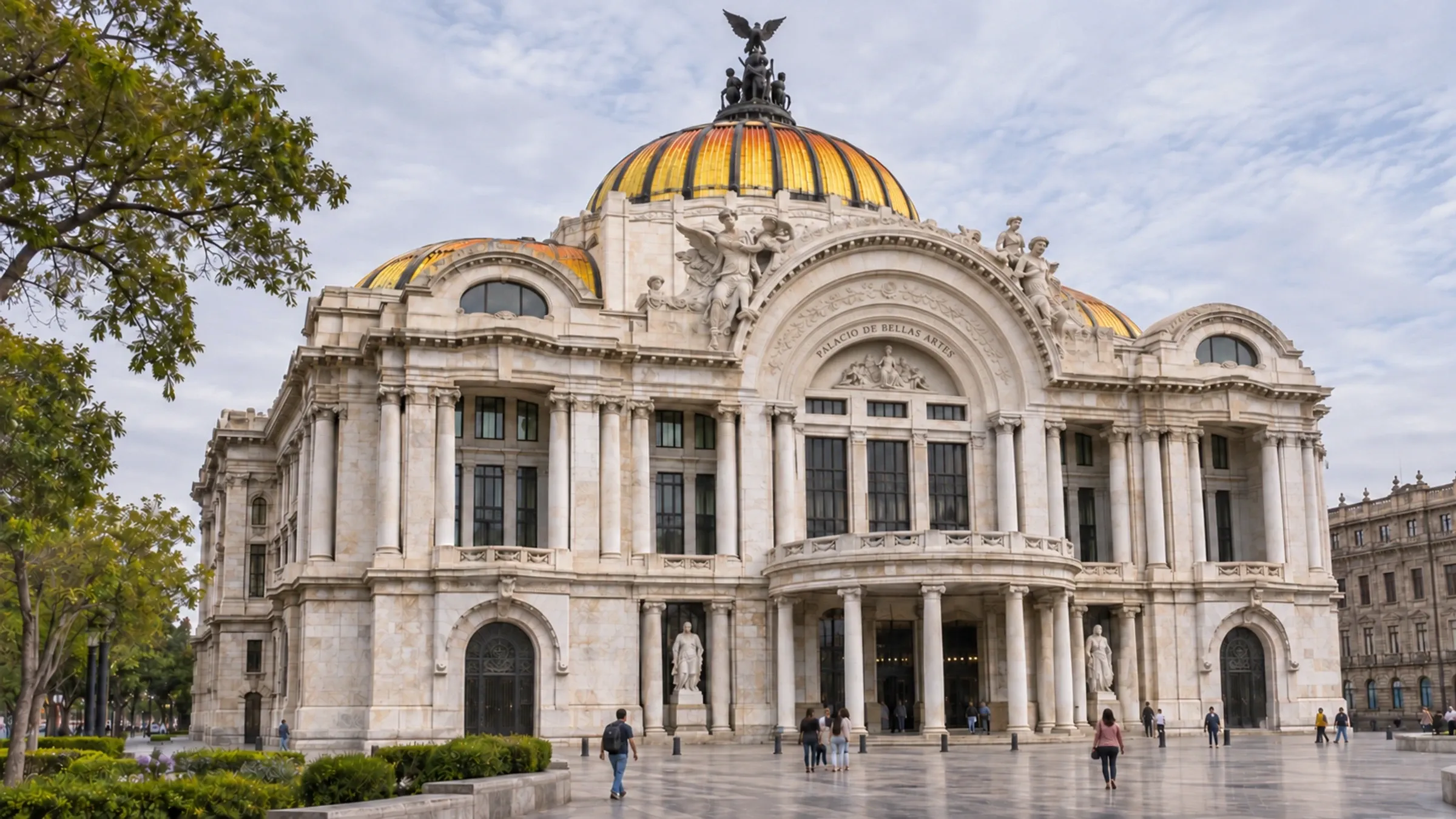
Most first trips stick to one or two regions instead of crossing the whole country. Mexico City and Oaxaca pair well, about an hour apart by plane, for food, markets, museums and ruins. Cancun and the Riviera Maya make a separate trip: beaches, cenotes, and Maya sites such as Chichén Itzá.
The dry season, from about November to April, is the easiest time to go and the busiest on the coast. Summer brings afternoon rain to the highlands and hurricane season to the coasts.
When to go
Atlantic hurricane season runs from June 1 to November 30 and peaks from mid-August to late October. In Mexico City and Oaxaca the rainy season brings short afternoon storms, mostly from June to September. Day of the Dead, on November 1 and 2, is a peak time in Oaxaca and Mexico City: book early.
Every month in detail: weather and recent faresItineraries

Where to stay
Show a map of hotels in Cancun with live prices
Map and live prices from Stay22 and its booking partners. TravPa earns a commission if you book; your price stays the same.
Show a map of hotels in Mexico City with live prices
Map and live prices from Stay22 and its booking partners. TravPa earns a commission if you book; your price stays the same.
Show a map of hotels in Oaxaca with live prices
Map and live prices from Stay22 and its booking partners. TravPa earns a commission if you book; your price stays the same.
Getting around
- Domestic flights: Mexico City to Oaxaca takes about an hour by plane, and Mexico City to Cancun about two hours.
- First-class buses: ADO and other first-class lines link most cities, with reserved seats, air conditioning and a restroom.
- In Mexico City: The Metro and Metrobús are cheap and cover the center. Ride-hailing apps are widely used, especially at night.
- Rental cars: Useful on the Yucatán Peninsula for ruins and cenotes. Toll roads (cuota) are the faster option.