
Overview
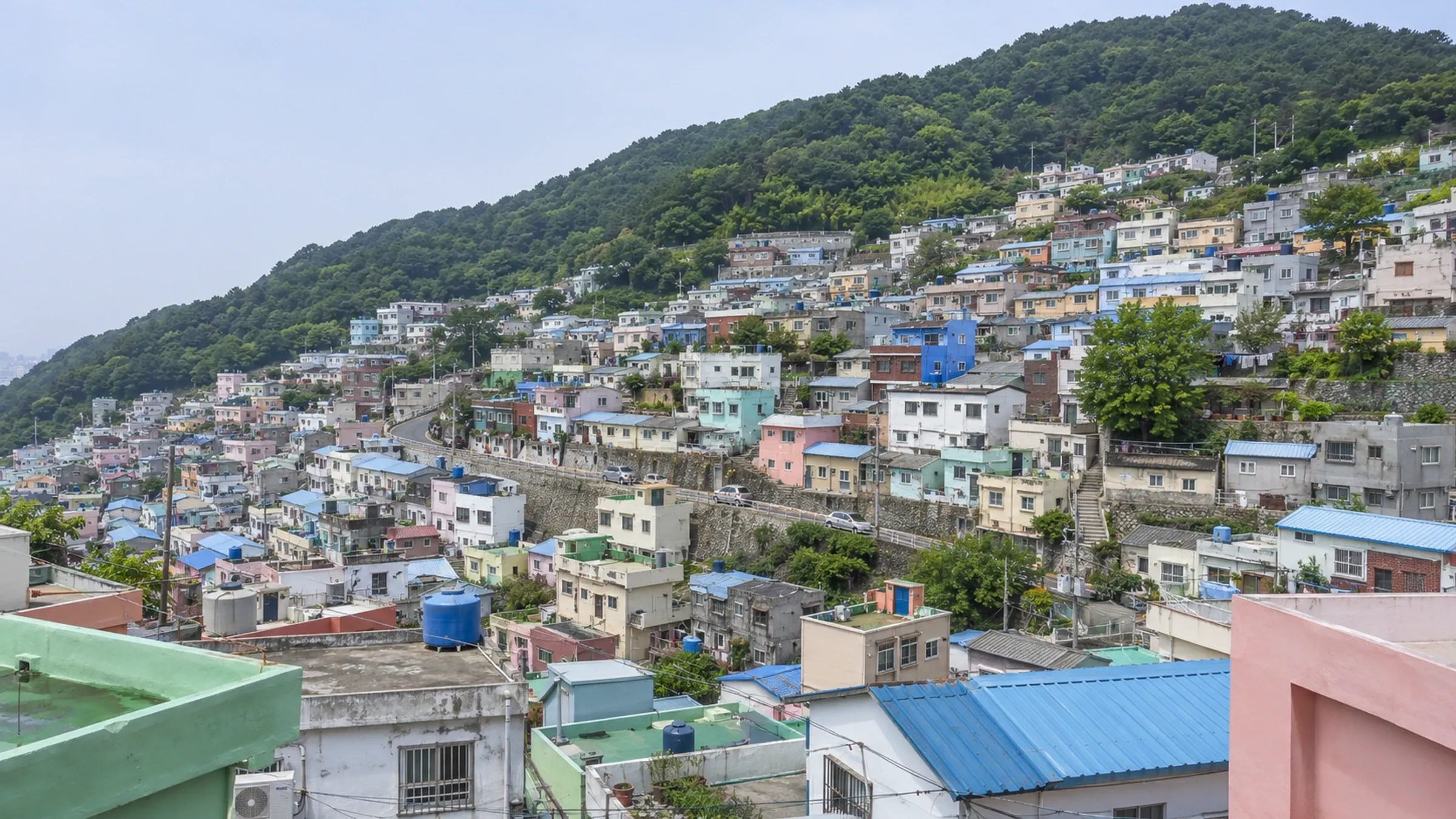
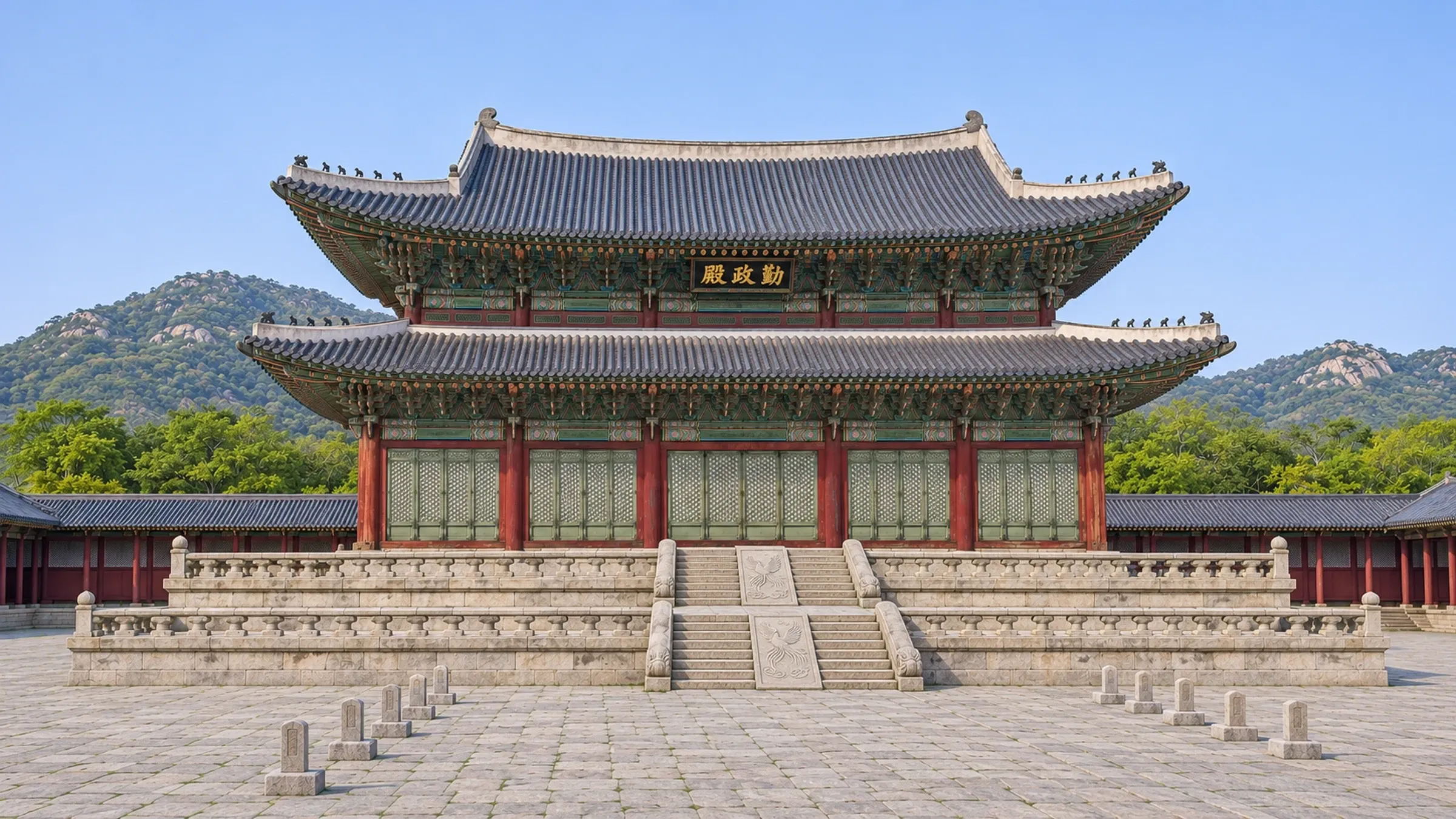
Most first trips start in Seoul and then head south on the KTX. Seoul to Busan takes about 3 hours by train, and Gyeongju, the old Silla capital, sits on the same line, so it makes an easy one or two night stop on the way. Suwon's fortress is a simple day trip from Seoul.
Spring (April and May) and autumn (September and October) are mild and the most comfortable for walking. Summer is hot and humid, with a rainy season from late June into July and typhoons possible in late summer. Winters are cold and dry, especially in Seoul.
When to go
Cherry blossoms usually open in Busan and Gyeongju in late March and in Seoul in early April, and autumn leaves color the palaces from late October. Book rooms early for both.
Every month in detail: weather and recent faresItineraries
Where to stay
Show a map of hotels in Busan with live prices
Map and live prices from Stay22 and its booking partners. TravPa earns a commission if you book; your price stays the same.
Show a map of hotels in Gyeongju with live prices
Map and live prices from Stay22 and its booking partners. TravPa earns a commission if you book; your price stays the same.
Show a map of hotels in Seoul with live prices
Map and live prices from Stay22 and its booking partners. TravPa earns a commission if you book; your price stays the same.
Getting around
- KTX trains: KTX trains run from Seoul Station to Gyeongju and Busan, and tickets go on sale about a month ahead on the Korail website or app.
- Korail Pass: Foreign visitors can buy a 2 to 5 day Korail Pass for standard-class trains, used within 10 days; it does not cover SRT trains or subways.
- In Seoul and Busan: Both cities have large subway networks, and a rechargeable transport card such as T-money pays for subways and city buses.
- Taxis: Metered taxis are easy to find, and Gyeongju's sights are spread out enough that a few taxi or bus rides save a lot of time.