

Overview
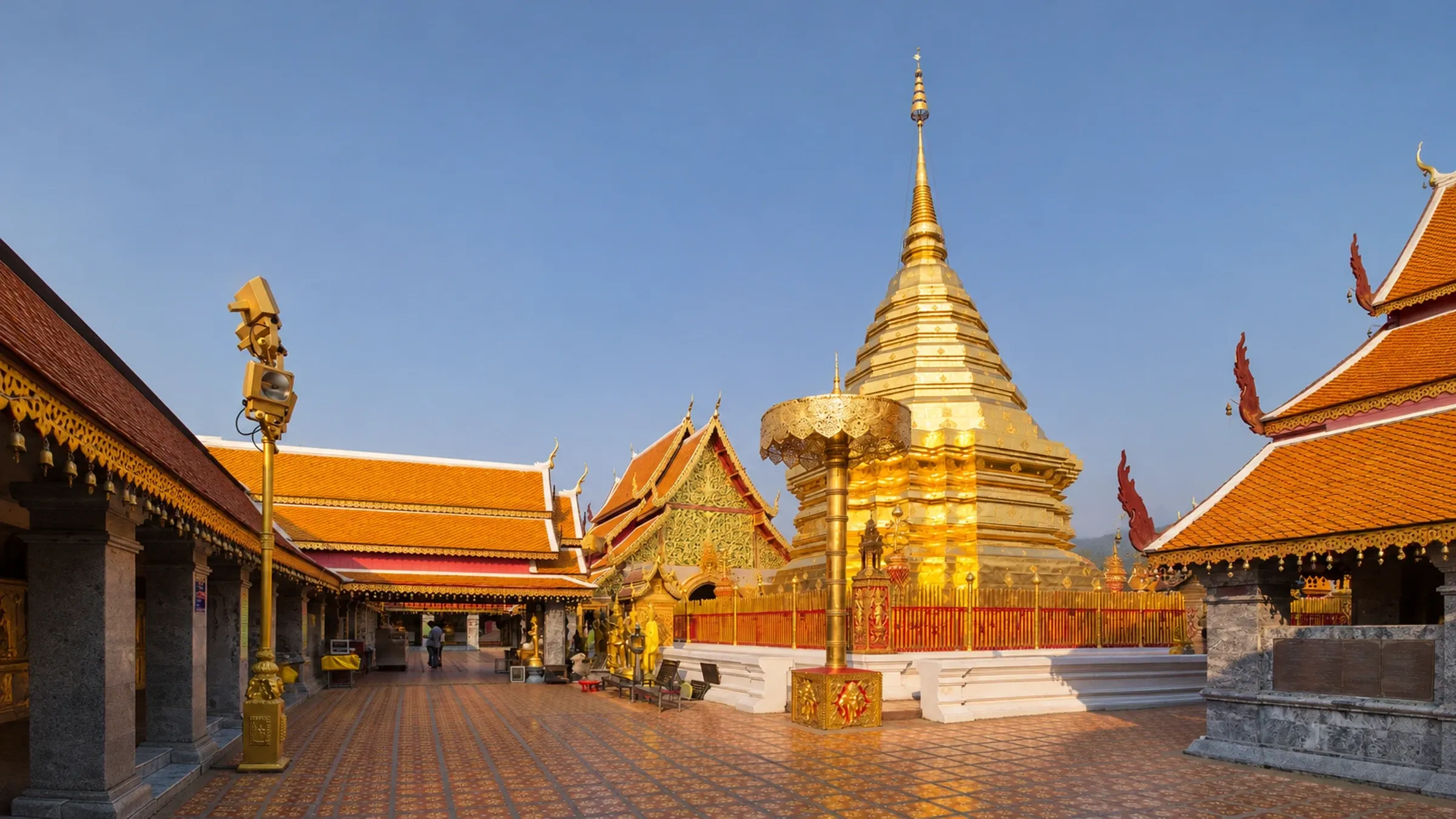
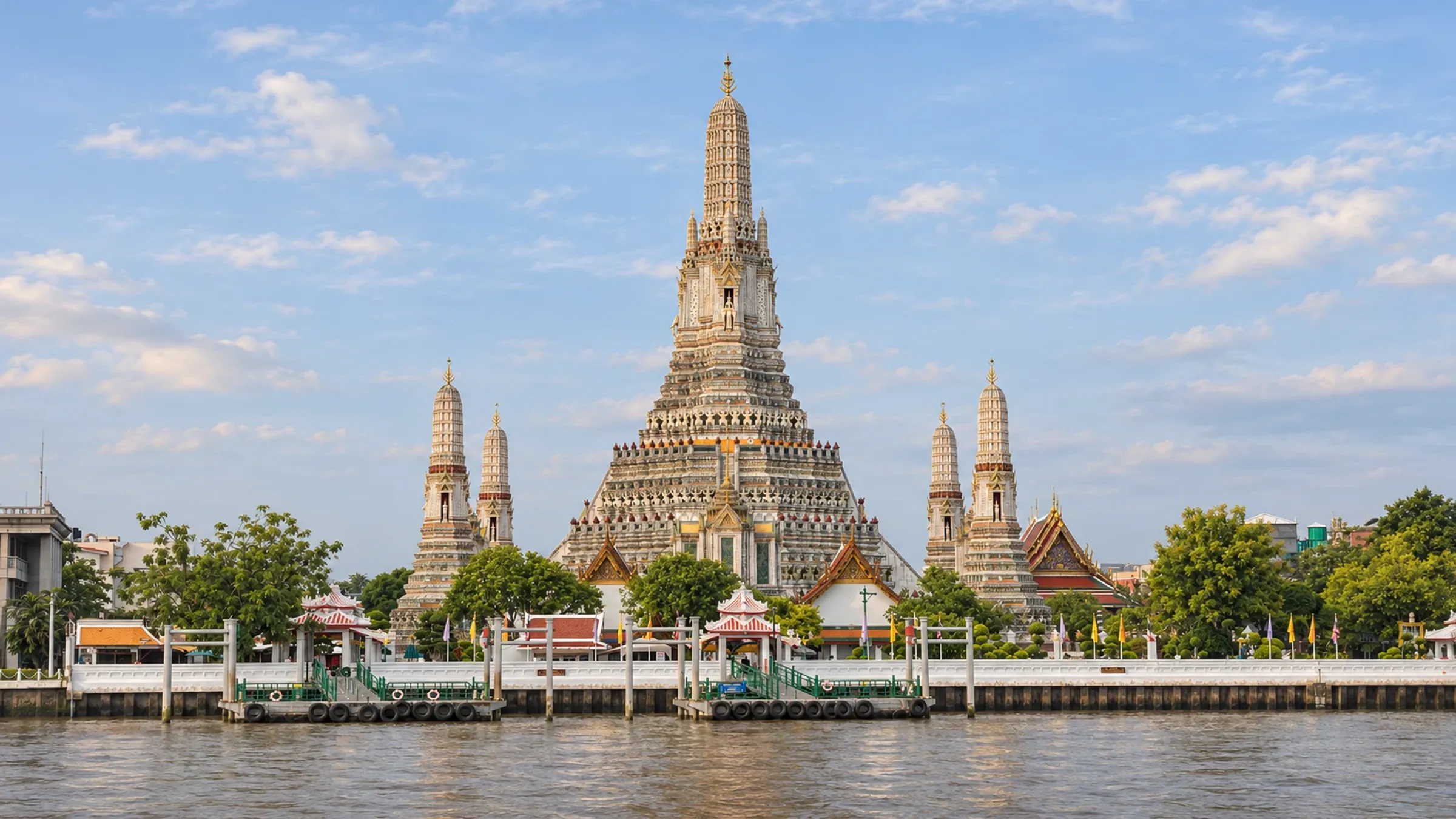
Most first trips combine Bangkok with the north and the beaches: Bangkok's temples and food, Chiang Mai's old city and mountains, then the Andaman coast around Phuket. Domestic flights make each hop little more than an hour.
The cool, dry season from November to February is the most comfortable and the busiest. March to May is very hot, and the southwest monsoon brings rain and rough seas to the Andaman coast from about May to October. Check the entry rules shortly before you go: Thailand changed them several times in 2024 and 2025.
When to go
Songkran, the Thai New Year water festival, takes over Bangkok, Chiang Mai and Phuket around April 13 to 15. Loy Krathong, with candles floated on rivers, usually falls in November, when Chiang Mai also releases lanterns for Yi Peng. In the north, smoke from crop burning often makes the air hazy from about February to April.
Every month in detail: weather and recent faresItineraries

Where to stay
Show a map of hotels in Bangkok with live prices
Map and live prices from Stay22 and its booking partners. TravPa earns a commission if you book; your price stays the same.
Show a map of hotels in Chiang Mai with live prices
Map and live prices from Stay22 and its booking partners. TravPa earns a commission if you book; your price stays the same.
Show a map of hotels in Phuket with live prices
Map and live prices from Stay22 and its booking partners. TravPa earns a commission if you book; your price stays the same.
Getting around
- Domestic flights: Bangkok to Chiang Mai takes about 1 hour 15 minutes, and Bangkok to Phuket about 1 hour 30 minutes.
- Night train: The sleeper train from Bangkok to Chiang Mai takes about 11 to 13 hours, a classic way to travel north.
- In Bangkok: The BTS Skytrain and MRT subway skip the traffic, and river boats on the Chao Phraya reach the old town.
- Ride-hailing: Grab and Bolt are widely used in the cities. In taxis, insist on the meter or agree the fare first.