
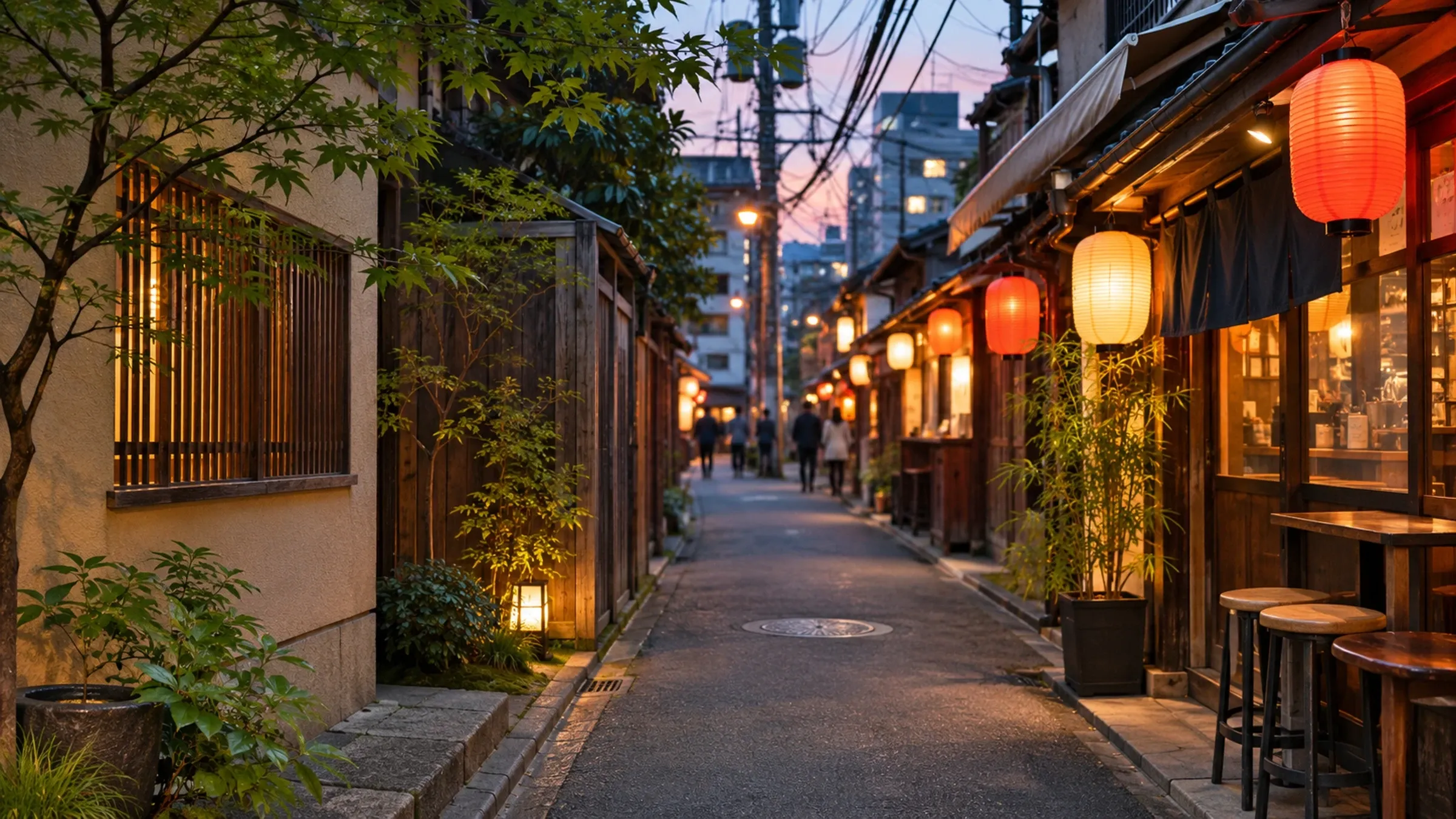
Go from late March to May for cherry blossoms and mild days, or in October and November for comfortable air and autumn leaves. Summer is hot and humid, with the rainy season from early June into July and typhoons most likely to come close in September.
Below you'll find each month at a glance: the season in words, the festivals and holidays that fill the city, and the weeks when trains and hotels get busiest. Event dates move a little each year, so check the organizer's page before you book. The climate table on this page has the numbers.
Tokyo weather by month
- JanuaryGo with a plan: ColdTypically 10°C by day, 1°C at night, rain on about 5 days a month
- FebruaryGo with a plan: DryTypically 11°C by day, 2°C at night, rain on about 7 days a month
- MarchBest: BlossomTypically 14°C by day, 5°C at night, rain on about 12 days a month
- AprilBest: BlossomTypically 19°C by day, 10°C at night, rain on about 12 days a month
- MayBest: MildTypically 23°C by day, 15°C at night, rain on about 13 days a month
- JuneGo with a plan: RainyTypically 26°C by day, 19°C at night, rain on about 16 days a month
- JulyGo with a plan: HumidTypically 30°C by day, 23°C at night, rain on about 17 days a month
- AugustGo with a plan: HotTypically 32°C by day, 25°C at night, rain on about 17 days a month
- SeptemberGo with a plan: TyphoonTypically 28°C by day, 22°C at night, rain on about 18 days a month
- OctoberBest: MildTypically 22°C by day, 15°C at night, rain on about 15 days a month
- NovemberBest: CrispTypically 17°C by day, 9°C at night, rain on about 10 days a month
- DecemberGo with a plan: FestiveTypically 12°C by day, 4°C at night, rain on about 6 days a month
Typical weather: averages of NASA POWER daily data, 2016 to 2025, on a grid of about 50 km around Tokyo. Coasts and hills can differ.
Tokyo month by month
January in Tokyo
ColdThe real cold arrives in January, especially from mid to late month, though snow is unlikely. From January 1 to 3, crowds make their first shrine visit of the year, above all at Meiji Jingu and Sensō-ji. Many stores close on January 1, and sales start around January 2. On January 2 the public can enter the Imperial Palace grounds for the New Year greeting, with large crowds. The New Year sumo tournament is held at Ryogoku Kokugikan.
Sources: GO TOKYO (Tokyo Convention & Visitors Bureau); GO TOKYO (Tokyo Convention & Visitors Bureau); Imperial Household Agency; GO TOKYO (Tokyo Convention & Visitors Bureau)February in Tokyo
DryFebruary is cold and fairly dry, with a mix of sunny and cloudy days and only rare snow. Winter skies are relatively clear, so on lucky days the view from Tokyo Skytree or Tokyo Tower reaches Mount Fuji. Setsubun bean throwing marks the start of the month at temples such as Sensō-ji and Zōjō-ji, and plum blossom festivals begin in early February. February 11 and February 23 are national holidays.
Sources: GO TOKYO (Tokyo Convention & Visitors Bureau); GO TOKYO (Tokyo Convention & Visitors Bureau); Cabinet Office, Government of JapanMarch in Tokyo
Best: BlossomMarch is chilly but comfortable, with a big gap between day and night temperatures and a few rainy days. The Tokyo Marathon runs in early March, with long road closures on race day. Cherry blossoms usually open in the last week of the month: the Japan Meteorological Agency's average first bloom date for Tokyo is March 24. Cherry blossom festivals at Ueno Park and Sumida Park draw big crowds in late March.
Sources: GO TOKYO (Tokyo Convention & Visitors Bureau); Japan Meteorological AgencyApril in Tokyo
Best: BlossomEarly April is often peak cherry blossom time, since Tokyo's average full bloom date is March 31. Blossom festivals usually run at Chidorigafuchi, Ueno Park and Sumida Park. Days are mild and good for walking, with some windy spells. As the cherries fade, wisteria blooms at Kameido Tenjin Shrine and azaleas at Nezu Shrine. Golden Week starts with Showa Day on April 29: trains run full and rooms book up early.
Sources: GO TOKYO (Tokyo Convention & Visitors Bureau); Japan Meteorological Agency; Cabinet Office, Government of Japan; Japan National Tourism OrganizationMay in Tokyo
Best: MildMay is very mild and fairly dry, with some rainy days and cooler nights. Golden Week holidays run to May 5, so the first days of the month are busy across Japan. The Sanja Matsuri fills Asakusa for three days in mid May; the shrine lists May 14 to 16 for 2027. The Kanda Matsuri holds its main festival in odd-numbered years, and many parks and gardens waive entry on Greenery Day, May 4.
Sources: GO TOKYO (Tokyo Convention & Visitors Bureau); Asakusa Shrine; Cabinet Office, Government of Japan; Japan National Tourism OrganizationJune in Tokyo
RainyThe rainy season usually starts in early June: the Japan Meteorological Agency's average start for the Kanto region is around June 7. Expect persistent light rain rather than storms, with many cloudy days and humid air that makes the warmth feel stronger. Pack a folding umbrella. Hydrangeas bloom across the city, and irises fill Horikiri Shobuen. June has no national holidays, and beer gardens open for the season.
Sources: Japan Meteorological Agency; GO TOKYO (Tokyo Convention & Visitors Bureau); GO TOKYO (Tokyo Convention & Visitors Bureau); Cabinet Office, Government of JapanJuly in Tokyo
HumidThe rainy season usually ends in the second half of July, around July 19 on the weather agency's average for Kanto. Then come runs of hot, humid days and short, heavy showers. Tanabata is on July 7, and the lantern plant fair at Sensō-ji is held on July 9 and 10. The Sumida River Fireworks Festival is held in late July (July 25 in 2026); it goes ahead in light rain, but storms cancel it, with no backup date.
Sources: Japan Meteorological Agency; GO TOKYO (Tokyo Convention & Visitors Bureau); GO TOKYO (Tokyo Convention & Visitors Bureau); Sumida River Fireworks Festival; Sumida River Fireworks FestivalAugust in Tokyo
HotAugust is very hot and humid, and short, heavy downpours are common, especially in the evenings. Carry water to ward off heatstroke and take frequent breaks out of the sun. GO TOKYO says Tokyo's typhoon season begins in August, and storms can disrupt trains. Bon dance events are held from mid to late August, the Fukagawa Hachiman Festival is usually around August 15, and the Koenji Awa Odori dance fills a weekend in late August.
Sources: GO TOKYO (Tokyo Convention & Visitors Bureau); GO TOKYO (Tokyo Convention & Visitors Bureau); Japan Meteorological AgencySeptember in Tokyo
TyphoonSeptember often feels as hot and humid as August, and it is one of Tokyo's rainier months. It is also the month when typhoons most often come close to the Kanto region, so watch forecasts and keep plans flexible. Two national holidays, Respect for the Aged Day and Autumnal Equinox Day, fall in the second half of the month. The Shinagawa Shukuba Matsuri, with people in period costume, is held each September.
Sources: GO TOKYO (Tokyo Convention & Visitors Bureau); Japan Meteorological Agency; GO TOKYO (Tokyo Convention & Visitors Bureau); Cabinet Office, Government of JapanOctober in Tokyo
Best: MildOctober is mild, cooling off in the second half of the month, and the humidity falls steadily. Typhoons are still possible, so check forecasts. Leaves start to turn in the Okutama mountains of western Tokyo around late October. The Tokyo International Film Festival is held in October, and Ikebukuro hosts a Halloween cosplay festival that draws more than 20,000 people. Pack a light jacket for the evenings and for the cooler western hills.
Sources: GO TOKYO (Tokyo Convention & Visitors Bureau); GO TOKYO (Tokyo Convention & Visitors Bureau); Japan Meteorological AgencyNovember in Tokyo
Best: CrispNovember is crisp, comfortable and relatively dry, and it is the peak of the autumn color season. Meiji Jingu Gaien, Rikugien Gardens, Hibiya Park and Yoyogi Park are good places to see the leaves, and the Mount Takao Autumn Leaves Festival is held every November. Chrysanthemums fill Shinjuku Gyoen from November 1 to 15. Culture Day on November 3 and Labor Thanksgiving Day on November 23 are national holidays.
Sources: GO TOKYO (Tokyo Convention & Visitors Bureau); GO TOKYO (Tokyo Convention & Visitors Bureau); Cabinet Office, Government of JapanDecember in Tokyo
FestiveDecember is dry and chilly but not as cold as January or February, and the real cold only arrives in January. Winter light displays brighten Marunouchi, Omotesando and Roppongi Hills. The Setagaya Boro-ichi market runs on December 15 and 16, and Sensō-ji holds its year-end battledore market. Christmas is not a public holiday, and most shops stay open on December 25. On New Year's Eve, crowds head to Meiji Jingu or to Zōjō-ji to hear the bell rung 108 times.
Sources: GO TOKYO (Tokyo Convention & Visitors Bureau); GO TOKYO (Tokyo Convention & Visitors Bureau); GO TOKYO (Tokyo Convention & Visitors Bureau)
Questions travelers ask
What is the best month to visit Tokyo?
Spring and autumn suit most visitors, since they have Tokyo's mildest weather. Late March and early April bring cherry blossoms, along with busy parks. October is one of the most comfortable months for sightseeing, and November is the peak of autumn leaves at Meiji Jingu Gaien and Rikugien Gardens. May is mild too, but its first days fall in Golden Week, one of Japan's busiest travel periods, so trains and hotels fill up.
Sources: GO TOKYO (Tokyo Convention & Visitors Bureau); GO TOKYO (Tokyo Convention & Visitors Bureau); GO TOKYO (Tokyo Convention & Visitors Bureau); GO TOKYO (Tokyo Convention & Visitors Bureau); Japan National Tourism OrganizationWhen is the rainy season in Tokyo?
The rainy season, called tsuyu, usually runs from early June to the second half of July. The Japan Meteorological Agency's average dates for the Kanto region are around June 7 for the start and around July 19 for the end, but each year differs. Expect persistent drizzle and high humidity rather than nonstop storms. Carry a folding umbrella and plan some indoor stops. Hydrangeas and irises are at their best in this season.
Sources: Japan Meteorological Agency; GO TOKYO (Tokyo Convention & Visitors Bureau); GO TOKYO (Tokyo Convention & Visitors Bureau)When is typhoon season in Tokyo?
In the Japan Meteorological Agency's 1991 to 2020 averages, typhoons come close to the Kanto region, which includes Tokyo, mainly from July to October, most often in September. About three come close in an average year. GO TOKYO says the season begins in August in Tokyo. A typhoon brings strong winds and heavy rain that can stop trains and disrupt outdoor events. If you travel from August to October, follow official forecasts and leave a spare day in your plans.
Sources: Japan Meteorological Agency; GO TOKYO (Tokyo Convention & Visitors Bureau)When do cherry blossoms bloom in Tokyo?
Usually in the last week of March, with full bloom around the end of the month. The Japan Meteorological Agency's averages for Tokyo are March 24 for first bloom and March 31 for full bloom, though the timing shifts from year to year. Blossoms are often still a highlight in early April. Ueno Park, Chidorigafuchi and Sumida Park hold the best-known cherry blossom festivals, and people picnic under the trees.
Sources: Japan Meteorological Agency; Japan Meteorological Agency; GO TOKYO (Tokyo Convention & Visitors Bureau); GO TOKYO (Tokyo Convention & Visitors Bureau); GO TOKYO (Tokyo Convention & Visitors Bureau)When is Tokyo most crowded?
Golden Week, from late April to early May, is Japan's busiest travel time apart from the New Year period. Trains run full, and rooms sell out early. Over New Year, people visit shrines and temples from New Year's Eve to January 3, and Meiji Jingu receives more visitors than anywhere else in Japan. Many stores close on January 1. Cherry blossom festivals in late March and early April also draw big crowds. Book transport and rooms early for any of these.
Sources: Japan National Tourism Organization; GO TOKYO (Tokyo Convention & Visitors Bureau); GO TOKYO (Tokyo Convention & Visitors Bureau); GO TOKYO (Tokyo Convention & Visitors Bureau)Tokyo travel guide has the sights, where to stay and day plans; the best time to visit Japan covers the rest of the country.